

EN590 10ppm Diesel: Specifications, International Trade, Pricing Factors & Complete Buying Guide (2026)
A complete guide to EN590 10ppm diesel, including specifications, international trade, pricing factors and buyer guidance.
EN590 10ppm Diesel: Specifications, International Trade, Pricing Factors & Complete Buying Guide (2026)
1- Introduction
In today’s global energy market, diesel fuel remains one of the most essential energy products supporting transportation, construction, mining, agriculture, manufacturing, maritime operations, and power generation. Every day, millions of trucks, heavy-duty machines, locomotives, industrial generators, and commercial vehicles depend on diesel fuel to ensure uninterrupted economic activity. As environmental regulations continue to evolve and engine technologies become increasingly sophisticated, the quality of diesel fuel has become more important than ever.
Among the various diesel fuel standards available worldwide, EN590 10ppm Diesel has established itself as the international benchmark for Ultra-Low Sulphur Diesel (ULSD). It is recognized not only for its strict technical specifications but also for its compatibility with modern diesel engines equipped with advanced emission control technologies. Today, EN590 is the preferred diesel specification across most European countries and has become the dominant quality standard in many international export markets throughout Asia, Africa, the Middle East, and Latin America.
Unlike conventional diesel fuels containing higher sulphur levels, EN590 limits sulphur content to a maximum of 10 parts per million (10ppm). This dramatic reduction significantly lowers sulphur oxide (SOx) emissions, minimizes particulate matter formation, extends engine life, protects after-treatment systems such as Diesel Particulate Filters (DPF) and Selective Catalytic Reduction (SCR) units, and contributes to improved fuel efficiency. As governments worldwide adopt stricter environmental legislation, demand for ultra-low sulphur diesel continues to grow rapidly.
However, EN590 is far more than simply a “low sulphur diesel.” It represents a comprehensive technical specification covering numerous physical and chemical properties that directly influence engine performance, fuel stability, safety, storage characteristics, cold-weather operability, lubricity, combustion quality, and environmental impact. Every shipment traded internationally must comply with a series of standardized laboratory tests before being accepted by buyers, governments, customs authorities, and financial institutions.
From a commercial perspective, EN590 has also become one of the most actively traded petroleum products in the global commodities market. Millions of metric tons are transported every month between refineries, storage terminals, trading hubs, and consuming countries. International transactions typically involve multiple stakeholders—including refiners, trading companies, inspection agencies, shipping companies, insurers, financial institutions, and end users—making quality assurance and contractual clarity critical to successful execution.
Because of its high value and strong global demand, the EN590 market has also attracted a considerable number of fraudulent intermediaries, fabricated documentation, unrealistic pricing offers, and non-existent suppliers. Professional buyers must therefore understand not only the technical characteristics of the product but also the commercial structure of international diesel trading, documentation requirements, inspection procedures, pricing mechanisms, logistics, and supplier verification processes.
This comprehensive guide has been prepared to provide buyers, importers, distributors, industrial consumers, logistics professionals, and energy traders with an in-depth understanding of EN590 10ppm Diesel. Rather than offering a simplified overview, this article explores the product from both technical and commercial perspectives, combining internationally recognized specifications with practical insights from the global petroleum trading industry.
Throughout this guide, readers will learn:
* What EN590 Diesel actually is and why it has become the international standard.
* The complete technical specifications governing product quality.
* How ultra-low sulphur diesel is produced inside modern refineries.
* The differences between EN590 and other diesel grades traded worldwide.
* The role of laboratory testing, inspection agencies, and quality certification.
* Major producing regions and international trade flows.
* Factors influencing global diesel prices.
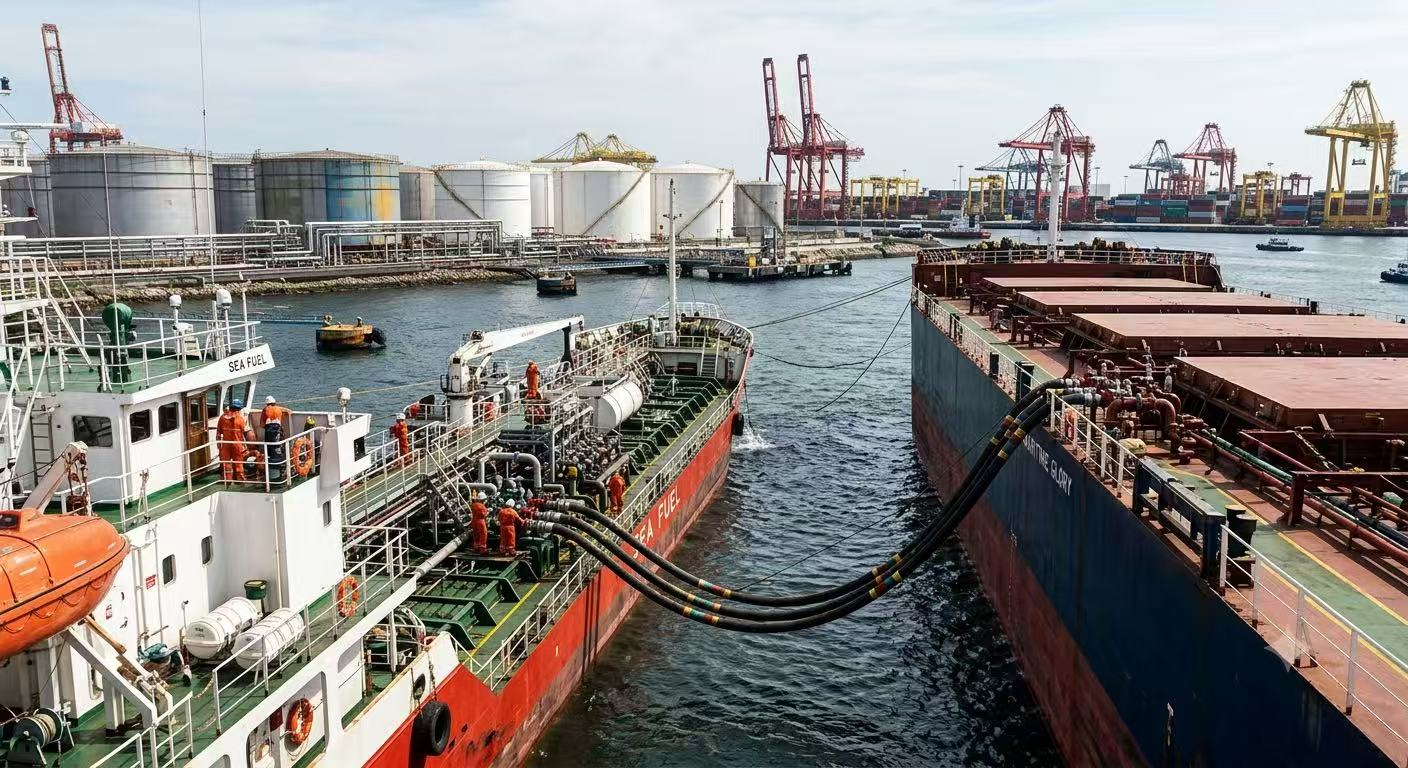
* Common mistakes made by buyers during international procurement.
* Best practices for supplier verification and risk management.
* Frequently asked questions regarding international diesel trading.
Whether you are an experienced petroleum trader, an industrial fuel buyer, or a company entering the international diesel market for the first time, understanding EN590 specifications and trading practices is essential for making informed commercial decisions while minimizing operational and financial risks.
2- What Is EN590 10ppm Diesel?
EN590 is the official European specification that defines the quality requirements for automotive diesel fuel sold throughout the European market and widely adopted by numerous countries around the world. Developed by the European Committee for Standardization (CEN), the EN590 standard establishes mandatory physical, chemical, and performance characteristics that diesel fuel must satisfy before it can be marketed as compliant automotive diesel.
The designation “EN” refers to a European Norm, while the number 590 identifies the specific standard governing automotive diesel fuel.
Unlike many fuel specifications that focus primarily on sulphur concentration, EN590 defines a complete quality framework covering dozens of technical parameters. These include density, cetane number, viscosity, lubricity, flash point, distillation characteristics, oxidation stability, contamination limits, water content, cold filter plugging point (CFPP), sulphur content, and biodiesel blending requirements.
Because modern diesel engines operate with extremely high fuel injection pressures—often exceeding 2,500 bar—fuel quality directly influences injector performance, combustion efficiency, emission levels, engine durability, and maintenance costs. Even relatively small deviations from specification can negatively affect engine operation or damage sensitive emission-control components.
For this reason, EN590 represents not simply a legal requirement but an engineering standard designed to ensure compatibility between fuel quality and modern diesel engine technology.
2.1- Why Is It Called 10ppm Diesel?
The expression 10ppm refers specifically to the maximum allowable sulphur concentration within the fuel.
“ppm” means parts per million, a measurement used to express extremely small concentrations of a substance within another material.
Therefore:
* 10ppm equals 10 milligrams of sulphur per kilogram of diesel fuel.
* Equivalent to only 0.001% sulphur by mass.
* Approximately 99.999% of the fuel contains no sulphur.
This extremely low sulphur concentration represents one of the most significant environmental improvements in diesel fuel history.
Historically, diesel fuels contained sulphur concentrations exceeding:
* 5,000 ppm
* 2,000 ppm
* 500 ppm
* 350 ppm
* 50 ppm
Today, the majority of developed economies have transitioned toward Ultra-Low Sulphur Diesel (ULSD) containing no more than 10–15 ppm sulphur, depending on national regulations.
Lower sulphur concentrations produce several important benefits:
* Reduced sulphur oxide (SOx) emissions
* Lower particulate formation
* Improved air quality
* Increased catalyst efficiency
* Longer Diesel Particulate Filter (DPF) life
* Lower maintenance costs
* Compliance with Euro V and Euro VI emission standards
The transition from high-sulphur diesel to ultra-low sulphur diesel is considered one of the most important environmental achievements in modern transportation fuels.
3- Historical Development of EN590
Understanding the evolution of EN590 helps explain why it has become the preferred international diesel specification.
During the 1980s and early 1990s, European diesel fuel quality differed considerably between countries. Each nation maintained its own technical standards, creating challenges for automobile manufacturers, refiners, and cross-border fuel distribution.
As the European automotive industry expanded, manufacturers required a unified fuel specification capable of supporting increasingly sophisticated diesel engines.
The European Committee for Standardization (CEN) subsequently introduced EN590 to harmonize diesel quality across Europe.
Since its initial publication, the standard has undergone numerous revisions reflecting advances in engine technology and environmental legislation.
Major revisions generally focused on:
* Progressive sulphur reduction
* Improved lubricity requirements
* Biodiesel blending compatibility
* Cold weather performance
* Oxidation stability
* Fuel cleanliness
* Environmental protection
Each revision has been designed to improve compatibility with newer diesel engines while simultaneously reducing harmful emissions.
Today, EN590 continues to evolve alongside advances in automotive engineering, renewable fuel integration, and carbon reduction initiatives.
4- Why EN590 Has Become the Global Trading Standard
Although EN590 originated in Europe, its influence now extends far beyond the European Union.
Many countries without mandatory European legislation nevertheless require imported diesel cargoes to satisfy EN590 specifications because of several commercial advantages.
First, vehicle manufacturers increasingly design engines optimized for ultra-low sulphur diesel.
Second, environmental regulations continue tightening worldwide.
Third, standardized specifications simplify international trade by reducing contractual ambiguity.
Fourth, internationally recognized laboratory procedures facilitate cargo acceptance between buyers and sellers.
Consequently, EN590 has become the preferred export specification for numerous refineries located in:
* United Arab Emirates
* Saudi Arabia
* Kuwait
* Qatar
* India
* Singapore
* South Korea
* Netherlands
* Turkey
* Various Mediterranean refining hubs
Similarly, importing countries throughout Africa, South America, Central America, and Asia frequently specify EN590 compliance within government tenders and commercial supply contracts.
For international traders, using a globally recognized specification reduces commercial disputes because both parties evaluate product quality using identical testing methodologies and acceptance criteria.
5- Key Characteristics of EN590 Diesel
Although sulphur content receives the greatest public attention, it represents only one component of overall diesel quality.
Professional buyers evaluate EN590 based on a combination of characteristics that collectively determine fuel performance.
Among the most important characteristics are:
5.1- Ultra-Low Sulphur Content
Reduces harmful emissions while protecting catalytic after-treatment systems.
5.2- High Cetane Number
Promotes faster ignition, smoother combustion, quieter engine operation, easier cold starts, and improved fuel efficiency.
5.3- Controlled Density
Ensures proper combustion energy while maintaining injector calibration.
5.4- Excellent Lubricity
Protects high-pressure fuel pumps and precision injectors against excessive wear.
5.5- Strict Water Limits
Minimizes corrosion, microbial growth, injector damage, and storage contamination.
5.6- Cold Weather Performance
Different seasonal grades maintain fuel flow under varying climatic conditions.
5.7- Oxidation Stability
Allows safe storage without excessive fuel degradation over time.
5.8- Low Contamination Levels
Reduces injector fouling and extends engine service intervals.
Each of these parameters will be examined in detail later in this guide when discussing technical specifications and laboratory testing methods.
6. Technical Specifications of EN590 10ppm Diesel
The outstanding reputation of EN590 Diesel is not solely attributed to its ultra-low sulphur content. Instead, it is the result of a comprehensive set of technical parameters that collectively determine fuel quality, combustion performance, engine protection, environmental compliance, storage stability, and operational reliability.
Every cargo traded under an EN590 contract is expected to comply with a detailed specification sheet. Compliance is verified through laboratory testing using internationally recognized ISO and ASTM test methods before shipment and, in many transactions, again at the discharge port by an independent inspection company such as SGS, Bureau Veritas, Intertek, or Cotecna.
Professional buyers should understand that every specification listed in a Quality Certificate directly affects the commercial value of the cargo. Even a single parameter falling outside the contractual limit may lead to rejection of the shipment, price renegotiation, or contractual disputes.
The following sections explain the most important quality parameters commonly included in an EN590 Certificate of Quality.
6.1 Sulphur Content
Sulphur is the defining characteristic of Ultra-Low Sulphur Diesel (ULSD).
Under the EN590 specification, sulphur content must not exceed 10 mg/kg (10 ppm).
Sulphur naturally occurs in crude oil and must be removed during the refining process through Hydrodesulfurization (HDS). Modern refineries invest heavily in desulphurization technology because environmental regulations increasingly require cleaner transportation fuels.
Excessive sulphur causes several undesirable effects:
* Formation of sulphur dioxide (SO₂) during combustion.
* Production of sulphur trioxide (SO₃) under certain conditions.
* Generation of acid rain.
* Increased particulate matter emissions.
* Damage to catalytic converters.
* Reduced efficiency of Diesel Particulate Filters (DPF).
* Higher maintenance costs.
Reducing sulphur from older diesel grades (500 ppm or higher) to 10 ppm has significantly improved urban air quality in many countries and enabled the widespread adoption of Euro V and Euro VI emission standards.
6.2 Cetane Number
The Cetane Number measures the ignition quality of diesel fuel.
Unlike the octane rating used for gasoline, a higher cetane number is generally desirable for diesel engines.
Typical EN590 diesel requires a minimum Cetane Number of 51.
A higher cetane number provides:
* Faster ignition.
* Shorter ignition delay.
* More complete combustion.
* Lower engine noise.
* Easier cold starting.
* Reduced exhaust smoke.
* Improved fuel efficiency.
Modern common-rail diesel engines rely on consistent cetane quality to achieve maximum performance and emission compliance.
6.3 Density
Density determines the mass of fuel contained within a specific volume.
EN590 generally specifies a density range between 820 and 845 kg/m³ at 15°C.
Density influences:
* Engine power output.
* Fuel injection calibration.
* Energy content.
* Fuel consumption.
* Emission characteristics.
Fuel that is too light may reduce engine power, while excessively dense fuel may affect atomization and combustion efficiency.
Because many international diesel transactions are settled on a metric ton basis while deliveries are measured volumetrically, density also plays an important role in commercial calculations.
6.4 Viscosity
Viscosity measures the internal resistance of diesel fuel to flow.
Under EN590, kinematic viscosity at 40°C generally ranges between 2.0 and 4.5 mm²/s.
Proper viscosity ensures:
* Effective fuel atomization.
* Stable injection pressure.
* Adequate lubrication.
* Reduced injector wear.
* Smooth engine operation.
Fuel with excessively low viscosity may fail to lubricate high-pressure pumps, whereas excessive viscosity can impair fuel atomization and combustion.
6.5 Flash Point
Flash Point is the lowest temperature at which fuel vapors can ignite when exposed to an ignition source.
EN590 specifies a minimum flash point of 55°C.
Although flash point does not directly influence engine performance, it is critical for:
* Storage safety.
* Transportation safety.
* Marine shipping regulations.
* Fire risk assessment.
* Insurance requirements.
A flash point below specification may indicate contamination with lighter petroleum products.
6.6 Cold Filter Plugging Point (CFPP)
Cold weather presents one of the greatest operational challenges for diesel fuel.
At low temperatures, paraffin wax naturally present in diesel begins to crystallize.
These crystals may eventually block fuel filters, preventing fuel flow and causing engine failure.
The Cold Filter Plugging Point (CFPP) measures the temperature at which diesel can no longer pass through a standardized laboratory filter.
Different climatic regions require different CFPP grades.
For example:
Climate Typical CFPP
Tropical +5°C
Moderate -5°C
Cold Winter -15°C
Severe Winter -20°C
Arctic below -30°C
Selecting an inappropriate seasonal grade may result in severe operational problems during winter.
6.7 Lubricity
Modern diesel engines operate at extremely high injection pressures.
Despite this, diesel fuel itself provides lubrication for:
* Fuel pumps.
* High-pressure injectors.
* Precision internal components.
EN590 requires strict lubricity performance, commonly measured using the High Frequency Reciprocating Rig (HFRR) test.
Poor lubricity can lead to:
* Premature pump failure.
* Injector wear.
* Increased maintenance costs.
* Reduced engine lifespan.
Because sulphur removal also removes naturally occurring lubricating compounds, refiners typically add specialized lubricity additives after hydrodesulfurization.
6.8 Water Content
Water is one of the most common contaminants found in stored diesel fuel.
EN590 limits water content to 200 mg/kg maximum.
Water contamination may originate from:
* Condensation inside storage tanks.
* Poor transportation practices.
* Tank leakage.
* Pipeline contamination.
* Improper handling.
Excess water promotes:
* Microbial growth.
* Internal corrosion.
* Fuel degradation.
* Injector damage.
* Filter blockage.
Routine tank maintenance is therefore essential throughout the supply chain.
6.9 Total Contamination
Even microscopic solid particles can damage today’s precision diesel injection systems.
EN590 imposes strict limits on particulate contamination.
Contaminants may include:
* Rust.
* Sand.
* Dust.
* Catalyst particles.
* Pipeline debris.
* Tank sediments.
High contamination levels may cause:
* Injector blockage.
* Pump wear.
* Fuel filter clogging.
* Engine malfunction.
Proper filtration during production, storage, loading, and unloading is therefore essential.
6.10 Ash Content
Ash represents the inorganic residue remaining after complete combustion.
Although present only in extremely small quantities, excessive ash may produce deposits within:
* Combustion chambers.
* Exhaust systems.
* Turbochargers.
* Diesel particulate filters.
EN590 therefore specifies extremely low ash content to maintain long-term engine cleanliness.
6.11 Carbon Residue
Carbon residue estimates the tendency of diesel fuel to form carbon deposits during combustion.
Lower values generally indicate:
* Cleaner combustion.
* Reduced injector fouling.
* Lower maintenance requirements.
* Improved combustion efficiency.
This parameter is particularly important for heavy-duty commercial engines operating continuously under high loads.
6.12 Oxidation Stability
Diesel fuel gradually reacts with oxygen during storage.
Without adequate oxidation stability, fuel may develop:
* Gums.
* Insoluble sediments.
* Increased acidity.
* Dark coloration.
* Filter-clogging compounds.
EN590 establishes minimum oxidation stability requirements to ensure safe storage and transportation.
For companies maintaining strategic fuel reserves or operating large storage terminals, oxidation stability is particularly important.
6.13 Distillation Characteristics
Distillation testing evaluates how diesel evaporates over increasing temperatures.
This property directly influences:
* Cold starting.
* Combustion efficiency.
* Fuel economy.
* Exhaust emissions.
* Engine deposits.
An appropriate distillation profile ensures balanced engine performance under varying operating conditions.
6.14 Polycyclic Aromatic Hydrocarbons (PAH)
Polycyclic Aromatic Hydrocarbons contribute significantly to particulate emissions.
EN590 limits PAH concentration because excessive aromatic compounds may result in:
* Higher smoke emissions.
* Increased soot formation.
* Greater environmental impact.
Reducing aromatic content improves combustion quality while supporting modern emission-control technologies.
6.15 Fatty Acid Methyl Esters (FAME)
Most modern EN590 diesel permits blending with biodiesel in the form of Fatty Acid Methyl Esters (FAME).
Typically, EN590 allows up to 7% biodiesel (B7).
Properly blended biodiesel offers several advantages:
* Reduced dependence on fossil fuels.
* Lower lifecycle carbon emissions.
* Improved renewable energy utilization.
However, FAME also introduces additional storage considerations because biodiesel absorbs moisture more readily and has lower oxidation stability than conventional diesel.
For long-term storage, appropriate inventory management practices are therefore essential.
7. Typical EN590 Quality Specification Table
Although specifications may vary slightly depending on refinery configuration, national regulations, seasonal grades, and contractual agreements, the following table represents a typical commercial EN590 specification.
Property Typical EN590 Requirement
Sulphur Max 10 ppm
Cetane Number Min 51
Density @15°C 820–845 kg/m³
Flash Point Min 55°C
Viscosity @40°C 2.0–4.5 mm²/s
Water Content Max 200 mg/kg
Total Contamination Max 24 mg/kg
CFPP Seasonal Grade
Lubricity (HFRR) Max 460 μm
FAME Content Max 7% (where applicable)
It is important to note that buyers should never rely solely on a generic specification sheet. Every shipment should be accompanied by a refinery-issued Certificate of Quality and, when contractually required, verified by an independent inspection agency.
8. How EN590 Diesel Is Produced
Producing EN590 diesel is one of the most technologically demanding processes in modern petroleum refining.
Unlike conventional diesel fuels, ultra-low sulphur diesel requires multiple refining, treatment, blending, and quality-control stages before it can meet the stringent requirements of the EN590 specification.
The process begins with crude oil selection and continues through atmospheric and vacuum distillation, hydroprocessing, catalytic treatment, blending, additive injection, laboratory testing, storage, and final certification.
In the next section, we will examine each stage of the refining process in detail, including Hydrodesulfurization (HDS), additive technology, refinery quality assurance systems, and the laboratory methods used to certify every cargo before international shipment.
9. How EN590 Diesel Is Produced
Producing EN590 10ppm Diesel is considerably more complex than manufacturing conventional diesel fuel. Meeting the strict limits imposed by the EN590 specification requires advanced refining technology, highly controlled production processes, sophisticated laboratory testing, and continuous quality monitoring throughout the refinery.
Modern refineries invest billions of dollars in upgrading processing units capable of producing ultra-low sulphur fuels. The transition from high-sulphur diesel to EN590-compliant diesel has been one of the largest technological transformations in the refining industry over the past three decades.
The production process can generally be divided into several major stages.
9.1 Crude Oil Selection
Everything begins with crude oil.
Different crude oils possess different physical and chemical characteristics. Some are naturally “sweet” (containing relatively low sulphur), while others are “sour” (containing higher sulphur concentrations). Similarly, crude oils vary in density, viscosity, metal content, nitrogen compounds, and hydrocarbon composition.
The quality of the feedstock significantly influences the complexity and cost of producing EN590 diesel.
Although modern refineries can produce EN590 from both sweet and sour crude oils, processing heavier and more sulphur-rich crude typically requires additional hydrotreating capacity, increased hydrogen consumption, and higher operating costs.
9.2 Atmospheric Distillation
Once crude oil enters the refinery, it is first heated and introduced into an atmospheric distillation column.
Rather than chemically changing the crude oil, this process separates it into fractions according to boiling point.
Among the products obtained are:
* Liquefied Petroleum Gas (LPG)
* Naphtha
* Kerosene / Jet Fuel
* Diesel Fraction
* Gas Oil
* Heavy Fuel Oil
* Atmospheric Residue
The diesel fraction produced at this stage is not yet suitable for commercial use. It still contains sulphur compounds, aromatic hydrocarbons, nitrogen compounds, unstable molecules, and other impurities that must be removed.
9.3 Hydrodesulfurization (HDS)
Hydrodesulfurization is the heart of EN590 production.
In this process, diesel fractions are mixed with hydrogen and passed through catalytic reactors operating under high temperatures and pressures.
The catalysts promote chemical reactions that convert sulphur compounds into hydrogen sulphide (H₂S), which is subsequently removed from the fuel.
Hydrodesulfurization also reduces:
* Nitrogen compounds
* Oxygen-containing compounds
* Certain metals
* Unsaturated hydrocarbons
Achieving a sulphur concentration of 10 ppm or less requires highly efficient reactors and carefully controlled operating conditions.
Because hydrogen production is energy-intensive, sulphur removal is one of the principal factors contributing to the higher production cost of ultra-low sulphur diesel.
9.4 Product Upgrading and Blending
Hydrotreated diesel streams alone do not necessarily satisfy every EN590 requirement.
Refineries therefore blend multiple intermediate streams to achieve the desired balance of:
* Density
* Cetane Number
* Distillation characteristics
* Lubricity
* Cold flow properties
* Oxidation stability
* Flash point
This blending stage requires precise process control. Even small changes in component ratios can affect compliance with contractual specifications.
Modern refineries use advanced computer models to optimize blending while minimizing production costs.
9.5 Additive Injection
Although refining removes unwanted compounds, it can also reduce certain naturally beneficial properties.
For this reason, specialized additives are introduced before the fuel is certified.
Common additives include:
Lubricity Improvers
Restore the lubricating properties lost during sulphur removal and protect high-pressure fuel pumps and injectors.
Cold Flow Improvers
Prevent wax crystals from agglomerating at low temperatures, improving winter operability.
Antioxidants
Slow fuel degradation during storage by inhibiting oxidation reactions.
Corrosion Inhibitors
Protect pipelines, tanks, and fuel systems against internal corrosion.
Anti-Foam Agents
Reduce foaming during high-speed loading operations at terminals.
Conductivity Improvers
Reduce the risk of static electricity accumulation during fuel transfer.
The exact additive package varies according to refinery configuration, destination climate, customer requirements, and national regulations.
10. Quality Assurance Inside Modern Refineries
Producing EN590 diesel is only part of the process. Every batch must also be verified through comprehensive laboratory testing before it can be released for sale.
Large refineries operate accredited laboratories equipped with sophisticated analytical instruments capable of measuring even trace quantities of contaminants.
Quality control occurs continuously throughout production.
Typical checkpoints include:
* Feedstock analysis
* Intermediate process sampling
* Final product testing
* Storage tank verification
* Loading inspection
* Shipment certification
Only after successful completion of these procedures is a batch approved for commercial distribution.
10.1 Laboratory Testing Methods
The EN590 standard references internationally recognized analytical methods to ensure consistency across laboratories worldwide.
Common testing techniques include:
* X-ray fluorescence for sulphur determination
* Density measurement using oscillating U-tube instruments
* Cetane engine testing or derived cetane analysis
* Gas chromatography
* Distillation testing
* Flash point determination
* Water analysis
* Lubricity testing using HFRR equipment
Because standardized methods are used globally, buyers and sellers can compare laboratory results with confidence.
10.2 Certificate of Quality (COQ)
Every legitimate EN590 shipment should be accompanied by a Certificate of Quality issued by the refinery or storage terminal.
A typical COQ contains:
* Product description
* Batch identification
* Production date
* Tank number
* Laboratory results
* Applicable specification
* Testing methods
* Authorized signatures
Professional buyers should always compare the COQ with the contractual specification before authorizing shipment or payment.
11. Independent Inspection and Cargo Verification
International petroleum trading relies heavily on independent inspection companies.
Because buyers and sellers may be located in different countries and never physically meet, independent inspectors provide confidence that the cargo matches the contractual specification.
Inspection companies typically perform:
* Quantity verification
* Sampling
* Laboratory analysis
* Tank inspection
* Vessel inspection
* Sealing of samples
* Loading supervision
* Discharge verification
Independent inspection reduces disputes while increasing transparency.
11.1 Pre-Shipment Inspection
Before loading begins, inspectors verify:
* Storage tank identity
* Product availability
* Sampling procedures
* Product quality
* Cargo quantity
Representative samples are collected using internationally accepted sampling procedures to ensure laboratory results accurately reflect the cargo.
11.2 Loading Supervision
During loading, inspectors monitor:
* Loading rate
* Cargo segregation
* Tank allocation
* Product contamination risks
* Measurement accuracy
This stage is particularly important for preventing cross-contamination with other petroleum products.
11.3 Discharge Inspection
Many buyers request a second inspection upon arrival.
This may include:
* Quantity measurement
* Shore tank sampling
* Laboratory testing
* Water determination
* Temperature correction
* Cargo reconciliation
Comparing loading and discharge results helps identify losses or contamination occurring during transportation.
12. EN590 Seasonal Grades
One of the most misunderstood aspects of EN590 is that there is no single universal diesel suitable for every climate.
Cold weather significantly affects diesel behavior.
As temperatures decline, paraffin molecules begin forming microscopic wax crystals.
Eventually these crystals combine into larger structures capable of blocking fuel filters.
To prevent operational failures, EN590 defines multiple seasonal grades.
12.1 Summer Grade
Designed for warm climates.
Typical characteristics include:
* Higher CFPP
* Lower additive requirements
* Excellent stability under high ambient temperatures
This grade is commonly supplied to tropical and subtropical regions.
12.2 Winter Grade
Winter diesel contains specialized cold-flow additives.
Advantages include:
* Improved filterability
* Better cold starting
* Reduced wax crystal growth
* Reliable vehicle operation during freezing conditions
Many European countries switch from summer to winter specifications according to seasonal regulations.
12.3 Arctic Grade
Arctic diesel represents the highest level of cold-weather performance.
It is specifically formulated for regions experiencing extremely low temperatures.
Typical applications include:
* Northern Scandinavia
* Arctic mining operations
* Remote industrial sites
* Polar logistics
Producing Arctic-grade diesel requires additional processing and specialized additive packages, making it more expensive than standard EN590.
13. Applications of EN590 Diesel
The versatility of EN590 makes it suitable for a broad range of industries.
13.1 Road Transportation
Heavy-duty trucks, buses, delivery fleets, and commercial vehicles represent the largest consumers of EN590 worldwide.
Reliable combustion, low emissions, and compatibility with modern engines make EN590 the preferred choice for fleet operators.
13.2 Construction Industry
Construction equipment—including excavators, loaders, bulldozers, cranes, and compactors—often operates under demanding conditions for extended periods.
High-quality diesel contributes to equipment reliability, reduced maintenance, and lower operating costs.
13.3 Mining Operations
Mining equipment frequently operates continuously under heavy loads.
Reliable fuel quality is essential to minimize downtime and protect high-value machinery.
13.4 Agriculture
Modern agricultural machinery relies heavily on diesel power.
Tractors, harvesters, irrigation pumps, and other farm equipment benefit from clean-burning diesel that supports efficient operation and long engine life.
13.5 Industrial Power Generation
Diesel generators provide primary or backup electricity for:
* Manufacturing facilities
* Hospitals
* Data centers
* Airports
* Construction sites
* Emergency response infrastructure
Fuel quality directly affects generator reliability during critical operations.
13.6 Marine Auxiliary Systems
Although international shipping primarily uses marine fuels for propulsion, EN590 is commonly used in auxiliary diesel engines operating onboard vessels, particularly in ports or emission-controlled areas where cleaner fuels are required.
14. EN590 vs Other Diesel Grades
One of the most common misconceptions in international petroleum trading is that all diesel fuels are essentially the same and differ only in sulphur content. In reality, diesel grades vary significantly in terms of regulatory standards, intended applications, refining processes, environmental impact, and compatibility with modern engine technologies.
Understanding these differences is essential for importers, distributors, procurement managers, and industrial consumers. Selecting an inappropriate diesel specification may result in non-compliance with local regulations, operational inefficiencies, increased maintenance costs, or even severe engine damage.
The following comparison highlights the key distinctions between EN590 and other commonly traded diesel grades.
Specification Sulphur Content Typical Application Environmental Performance Suitable for Euro VI Engines
EN590 10ppm Max. 10 ppm Road transportation Excellent Yes
EN590 50ppm Max. 50 ppm Older regulated markets Good Limited
500ppm Diesel Max. 500 ppm Developing markets Moderate Generally No
High Sulphur Diesel Above 500 ppm Industrial and legacy equipment Poor No
ASTM D975 ULSD Max. 15 ppm North America Excellent Yes
While EN590 and ASTM D975 Ultra-Low Sulphur Diesel share many similarities, they are not identical. EN590 generally imposes stricter requirements for density, lubricity, cetane number, cold-weather performance, and certain environmental parameters. Consequently, EN590 is widely regarded as one of the most demanding automotive diesel specifications currently in commercial use.
14.1 EN590 vs 500ppm Diesel
For many years, diesel containing 500 ppm sulphur represented the standard fuel grade across numerous developing economies. However, increasing environmental concerns and advances in engine technology have significantly accelerated the transition toward ultra-low sulphur fuels.
Compared with EN590, 500 ppm diesel typically generates:
* Higher sulphur oxide emissions
* Increased particulate matter
* Greater soot accumulation
* Faster clogging of Diesel Particulate Filters (DPF)
* Reduced catalytic converter efficiency
* Higher long-term maintenance costs
Although 500 ppm diesel may remain acceptable for certain older engines and jurisdictions, it is generally unsuitable for modern Euro V and Euro VI diesel vehicles.
14.2 EN590 vs ASTM D975
International traders frequently encounter both EN590 and ASTM D975 specifications, particularly when trading between European, Middle Eastern, Asian, and North American markets.
Although both standards aim to ensure reliable diesel performance, they were developed under different regulatory frameworks and therefore include different testing criteria and acceptance limits.
Some of the principal differences include:
* EN590 specifies a minimum cetane number of 51, while ASTM D975 generally uses a lower minimum cetane index.
* EN590 places greater emphasis on cold-weather operability through seasonal grading.
* Biodiesel blending provisions differ between jurisdictions.
* Certain laboratory methods referenced by each specification are different, although many are technically comparable.
For international buyers, it is essential that the contractual specification clearly identifies which standard governs the transaction. Substituting ASTM-compliant diesel where EN590 has been contractually agreed may result in rejection of the cargo.
15. Global EN590 Market
EN590 Diesel has evolved from a regional European fuel specification into one of the world’s most actively traded refined petroleum products.
Today, millions of tonnes of EN590 diesel move annually between refineries, storage terminals, trading hubs, and consuming nations. The global market is characterized by a complex network of producers, trading houses, logistics providers, inspection companies, financial institutions, and end-users.
Demand for EN590 continues to increase due to several long-term structural trends:
* Expansion of modern diesel vehicle fleets.
* Stricter environmental regulations.
* Growth in industrial activity across emerging economies.
* Increased investment in mining and infrastructure projects.
* Replacement of higher sulphur diesel grades.
Because diesel is essential to freight transportation, agriculture, mining, and manufacturing, consumption is closely linked to global economic activity. Periods of industrial expansion typically support stronger diesel demand, while economic slowdowns may reduce consumption.
15.1 Major Trading Hubs
International EN590 pricing is heavily influenced by several key trading hubs where refined petroleum products are actively bought, sold, blended, stored, and redistributed.
Among the most important hubs are:
Amsterdam–Rotterdam–Antwerp (ARA)
The ARA region is widely regarded as Europe’s principal petroleum trading hub. It hosts extensive storage capacity, sophisticated blending facilities, and serves as a benchmark market for many refined products.
Fujairah (United Arab Emirates)
Located outside the Strait of Hormuz, Fujairah has become one of the world’s leading bunkering and petroleum storage centers. Its strategic location allows efficient distribution to markets across Asia, Africa, and the Middle East.
Singapore
Singapore is the dominant refined products hub in Asia, supported by large-scale refining capacity, advanced logistics infrastructure, and deep financial markets.
Mediterranean Terminals
Ports such as Augusta, Malta, and various Turkish terminals play an important role in supplying Southern Europe, North Africa, and parts of the Middle East.
These hubs provide liquidity, storage flexibility, and transparent pricing, making them central to international EN590 trade.
16. Major Exporting Countries
Global supply originates from a relatively limited number of refining regions capable of consistently producing ultra-low sulphur diesel that meets international quality standards.
Middle East
The Middle East remains one of the world’s largest exporters of EN590 diesel due to:
* Modern refining infrastructure
* Competitive production costs
* Strategic geographic location
* Access to abundant crude oil resources
Countries with significant export capacity include:
* United Arab Emirates
* Saudi Arabia
* Kuwait
* Qatar
* Oman
Several recently commissioned refineries in the Gulf region are specifically designed to manufacture high-quality, export-oriented ultra-low sulphur diesel.
India
India has emerged as one of the largest exporters of refined petroleum products globally.
Large coastal refineries possess sophisticated upgrading units capable of producing substantial quantities of EN590-compliant diesel for export to Europe, Africa, and Asia.
South Korea
South Korea’s advanced refining sector consistently supplies premium-quality diesel to numerous Asian markets.
Its strategic location and high refining complexity support efficient exports throughout the Pacific region.
Singapore
Although Singapore imports crude oil, its highly developed refining and blending infrastructure allows it to function as one of Asia’s leading refined product exporters.
Europe
Several European refineries continue exporting EN590 diesel, although regional supply-demand balances fluctuate depending on refinery maintenance, seasonal consumption, and import requirements.
16.1 Major Importing Regions
Demand for EN590 extends far beyond Europe.
Large importing regions include:
Africa
Many African countries have gradually transitioned toward lower sulphur diesel specifications as governments seek improved air quality and greater compatibility with modern vehicle fleets.
Latin America
Infrastructure development, mining operations, and freight transportation continue supporting diesel demand across Latin America.
South Asia
Rapid economic growth and expanding transportation networks contribute to rising diesel consumption throughout the region.
Eastern Europe and Central Asia
Certain countries supplement domestic production with imported EN590 cargoes to satisfy seasonal demand or quality requirements.
17. Factors Influencing EN590 Prices
Unlike many manufactured products, diesel prices are not determined solely by production costs. Instead, they reflect a dynamic combination of crude oil prices, refining economics, logistics, regional supply-demand balances, geopolitical developments, and financial market expectations.
Professional buyers should understand the principal drivers influencing international EN590 quotations.
⸻
17.1 Crude Oil Prices
Crude oil represents the primary feedstock used to manufacture diesel.
Consequently, movements in benchmark crude prices such as Brent typically influence diesel prices.
However, diesel prices do not always move proportionally with crude oil because refining margins fluctuate independently.
17.2 Refining Margins
The difference between the value of refined products and the cost of crude oil is commonly referred to as the refinery margin or crack spread.
When diesel demand exceeds refining capacity, margins may expand significantly even if crude oil prices remain relatively stable.
Conversely, abundant refining capacity may compress margins despite higher crude prices.
Understanding refinery economics helps explain why diesel prices occasionally rise faster than crude oil.
17.3 Freight Costs
Marine transportation constitutes a significant component of delivered diesel prices.
Freight rates depend upon:
* Vessel availability
* Voyage distance
* Fuel costs
* Canal transit fees
* Port congestion
* Seasonal shipping demand
Long-distance shipments naturally incur higher transportation costs than regional deliveries.
17.4 Seasonal Demand
Diesel consumption varies throughout the year.
Examples include:
* Increased agricultural demand during harvest seasons.
* Higher winter heating demand in certain markets.
* Construction activity during favorable weather conditions.
* Increased freight volumes before major holidays.
These seasonal patterns may temporarily tighten supply and influence pricing.
17.5 Refinery Maintenance
Large refineries periodically suspend operations for planned maintenance.
Temporary reductions in refining capacity may tighten regional diesel supply, particularly if multiple facilities undergo maintenance simultaneously.
Market participants closely monitor refinery turnaround schedules because they often influence short-term pricing.
17.6 Geopolitical Events
The petroleum market is highly sensitive to geopolitical developments.
Events capable of influencing diesel prices include:
* Armed conflicts
* Trade sanctions
* Export restrictions
* Pipeline disruptions
* Maritime security incidents
* Natural disasters affecting production infrastructure
Such events may alter both supply availability and transportation costs.
17.7 Currency Exchange Rates
International petroleum transactions are generally denominated in U.S. dollars.
Consequently, fluctuations in exchange rates may influence the effective cost of diesel for buyers whose domestic currencies differ from the U.S. dollar.
18. Incoterms in EN590 Trading
Selecting the appropriate Incoterm is one of the most important commercial decisions in an international diesel transaction. It defines the allocation of costs, risks, and responsibilities between buyer and seller throughout the transportation process.
The most commonly used Incoterms in EN590 trade are:
FOB (Free on Board)
Under FOB, the seller is responsible for delivering the cargo onto the nominated vessel at the agreed loading port. Once the cargo passes the ship’s rail (or is loaded on board under modern Incoterms practice), the risk transfers to the buyer.
FOB is widely used by experienced importers who prefer to control freight arrangements and negotiate directly with shipping companies.
CFR (Cost and Freight)
Under CFR, the seller arranges and pays for transportation to the destination port. However, the risk transfers to the buyer once the cargo is loaded onto the vessel at the port of shipment.
This Incoterm provides greater logistical convenience while allowing buyers to arrange their own cargo insurance if desired.
CIF (Cost, Insurance and Freight)
CIF builds upon CFR by requiring the seller to obtain marine cargo insurance for the buyer’s benefit.
This term is frequently used when buyers prefer a more comprehensive shipping solution with insurance included as part of the seller’s contractual obligations.
19. Shipping and Logistics
Efficient logistics are essential to the successful execution of international EN590 transactions.
Depending on cargo volume, destination, and commercial structure, diesel may be transported using:
* Product tankers
* Coastal tankers
* Barges
* Pipelines
* Rail tank cars
* Road tank trucks
Before loading, storage tanks, transfer lines, and vessel cargo tanks must be inspected to ensure cleanliness and prevent contamination.
Temperature control, water management, accurate quantity measurement, and proper sampling procedures remain critical throughout the logistics chain.
Marine transportation is typically the most economical solution for large international cargoes, while multimodal logistics may be required for inland distribution after discharge at the destination port.
20. Commercial Documents in International EN590 Trade
Successful international diesel transactions rely not only on product quality but also on accurate and complete commercial documentation. Every shipment is accompanied by a series of documents that verify the identity, quality, quantity, origin, and ownership of the cargo.
Although document requirements may vary depending on the agreed Incoterm, destination country, financing structure, and contractual obligations, the following documents are commonly required in international EN590 trade.
Commercial Invoice
The Commercial Invoice serves as the seller’s official request for payment and summarizes the commercial terms of the transaction. It generally includes the names and addresses of the buyer and seller, product description, quantity, unit price, total contract value, payment terms, currency, and shipment details.
Packing List or Cargo Manifest
For bulk petroleum cargoes, a Cargo Manifest or equivalent loading document provides operational information regarding the cargo loaded on board the vessel.
Bill of Lading (B/L)
The Bill of Lading is one of the most important documents in international trade. Issued by the shipping line or carrier, it acts as:
* Evidence that the cargo has been loaded.
* A receipt issued by the carrier.
* A document of title under applicable commercial practices.
Banks frequently require the original Bill of Lading before releasing payment under documentary credit transactions.
Certificate of Quality (COQ)
The Certificate of Quality confirms that the diesel complies with the contractual specification. It contains the laboratory results for key quality parameters such as sulphur content, density, cetane number, viscosity, flash point, water content, lubricity, and other relevant characteristics.
Certificate of Quantity (COQTY)
The Certificate of Quantity verifies the amount of product loaded or discharged and is generally prepared following independent inspection.
Certificate of Origin (COO)
Many importing countries require a Certificate of Origin to determine the country in which the product was produced or substantially processed. This document may also be necessary for customs procedures and preferential trade agreements.
Independent Inspection Certificate
Where contractually agreed, an independent inspection company may issue certificates confirming both the quantity and quality of the cargo. These certificates provide additional assurance to both buyer and seller and help reduce the likelihood of commercial disputes.
21. Best Practices for International Buyers
Purchasing diesel fuel on the international market requires more than comparing prices. Experienced buyers evaluate suppliers, documentation, logistics, contractual terms, and operational capabilities before making commercial commitments.
The following practices are widely recognized as prudent commercial procedures:
* Work only with companies that can demonstrate a verifiable trading history.
* Ensure that the contractual specification clearly defines the applicable quality standard.
* Confirm that inspection procedures are agreed before shipment.
* Review all commercial documents carefully before authorizing payment.
* Use internationally accepted payment methods that provide appropriate protection for both parties.
* Maintain clear communication throughout the transaction and document all commercial agreements in writing.
Applying these practices helps reduce operational risks while promoting efficient and transparent transactions.
22. Frequently Asked Questions (FAQ)
What does EN590 mean?
EN590 is the European standard specifying the quality requirements for automotive diesel fuel, including limits for sulphur content, cetane number, density, lubricity, and other technical properties.
Why is EN590 called 10ppm diesel?
The designation refers to the maximum permitted sulphur content of 10 parts per million (10 mg/kg).
Is EN590 considered Ultra-Low Sulphur Diesel?
Yes. EN590 10ppm is classified as Ultra-Low Sulphur Diesel (ULSD).
Which engines are compatible with EN590?
EN590 is designed for modern diesel engines, including those equipped with Diesel Particulate Filters (DPF) and Selective Catalytic Reduction (SCR) systems.
Why is sulphur content important?
Lower sulphur levels reduce emissions, improve air quality, protect emission-control systems, and extend engine component life.
Can EN590 be stored for long periods?
Under appropriate storage conditions, EN590 maintains its quality for extended periods. However, storage tanks should be clean, dry, and regularly inspected to minimize contamination and fuel degradation.
Does EN590 contain biodiesel?
Many commercial grades contain up to 7% Fatty Acid Methyl Ester (FAME), depending on applicable regulations and customer requirements.
How is EN590 quality verified?
Quality is verified through laboratory testing using internationally recognized analytical methods. Independent inspection companies may also perform sampling and verification when required by contract.
What are the most common Incoterms used in EN590 trade?
FOB, CFR, and CIF are the most frequently used Incoterms in international diesel transactions.
Is EN590 traded worldwide?
Yes. Although developed as a European standard, EN590 has become one of the most widely traded diesel specifications in the international petroleum market.
23. Conclusion
EN590 10ppm Diesel represents far more than a transportation fuel. It is the result of decades of technological advancement in petroleum refining, environmental regulation, and engine engineering. By combining ultra-low sulphur content with rigorous quality requirements, EN590 has become the benchmark for modern diesel fuel in international trade.
Its widespread adoption reflects the growing importance of cleaner fuels, improved combustion efficiency, and compatibility with advanced diesel engine technologies. At the same time, the global nature of the EN590 market highlights the need for transparent commercial practices, reliable logistics, independent quality verification, and carefully structured contracts.
For importers, distributors, industrial consumers, and energy companies, understanding the technical and commercial aspects of EN590 is essential to making informed procurement decisions. Selecting reputable trading partners, defining clear contractual specifications, and ensuring proper inspection procedures remain fundamental elements of successful international transactions.
As environmental standards continue to evolve and demand for cleaner fuels increases, EN590 is expected to remain one of the world’s most important refined petroleum products, supporting transportation, industry, infrastructure, and economic development across international markets.
24. About Golden Falcon Energy
Golden Falcon Energy is an international trading company specializing in the supply and distribution of energy, petrochemical, and mining products for customers across global markets.
The company works with established producers, verified supply chains, and internationally recognized inspection practices to facilitate reliable cross-border transactions. By combining market knowledge with a commitment to transparency and professional execution, Golden Falcon Energy supports clients throughout the procurement process—from product sourcing and commercial negotiation to logistics coordination and documentation management.
With a strong focus on quality, compliance, and long-term business relationships, the company strives to deliver practical solutions tailored to the requirements of industrial consumers, trading companies, and international buyers.
For inquiries regarding EN590 Diesel or other petroleum and petrochemical products, our commercial team is available to provide product information, technical specifications, and support throughout every stage of the transaction.
Need EN590 10ppm Diesel Information?
Contact Golden Falcon Energy for product information, technical specifications and shipment availability.
立即联系我们