

Crude Oil and Derivatives Markets in 2026: Rebuilding Confidence in Gulf Trading
An industry analysis of the 2026 crude oil and derivatives markets, covering the Strait of Hormuz crisis, OPEC+ policy, the rise of Murban, regional risk management and the outlook for Gulf commodity trading.
1. From Crisis to Relative Calm: A Price Timeline
1.1 Rising Tension The market entered 2026 expecting a supply surplus. Early U.S. Energy Information Administration forecasts put first-quarter Brent near $55 a barrel, driven largely by non-OPEC+ production growth from the United States, Brazil, Guyana and ...

2. The Strait of Hormuz: From Chokepoint to Pricing Watershed
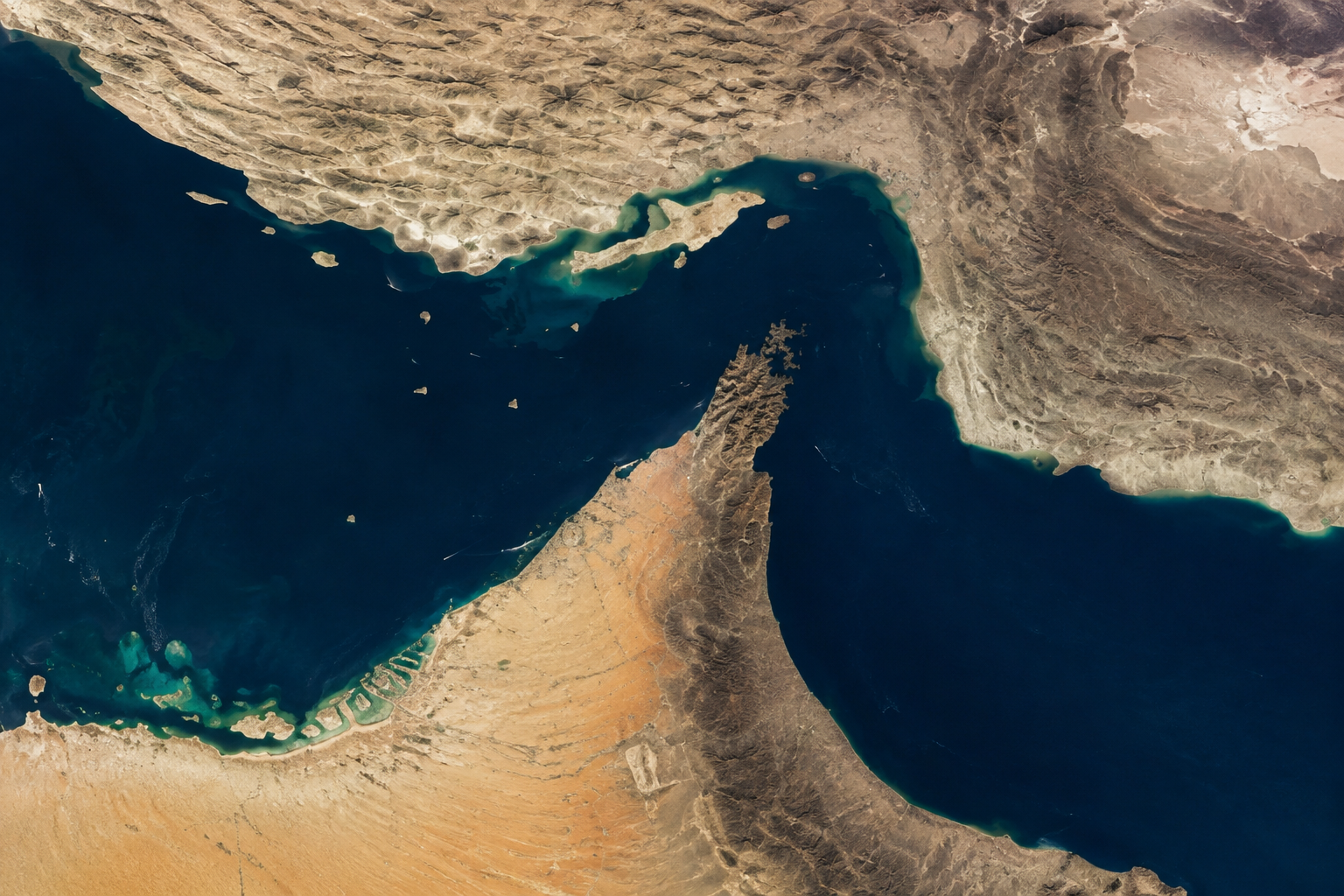
2.1 A Vulnerability Turned Reality The Strait of Hormuz has long been recognized as the world's most sensitive energy chokepoint, but the 2026 crisis turned a vulnerability that had previously existed mainly in analysts' hypothetical models into hard reality...
3. OPEC+ Policy: From Emergency Discipline to the 2027 Quota Fight
3.1 A Forced, Not Voluntary, Cut At the height of the crisis, OPEC+ production fell sharply — down 9.4 million barrels a day month-on-month to 42.4 million barrels a day — a decline driven primarily by direct disruption to Gulf producers rather than a volunt...

4. Redrawing the Regional Benchmarks: From Dubai to the Rise of Murban
4.1 Murban's Consolidation One of the significant structural shifts the 2026 crisis accelerated was the consolidation of Murban crude as a rival benchmark for medium-sour Middle East crude. The Murban futures contract, physically delivered at the Fujairah te...

5. Derivatives and Risk Management Through the Volatility
5.1 Futures and Options Across the Complex For Gulf-based trading firms, the 2026 crisis was effectively a live stress test of risk management infrastructure. Because Murban and Dubai futures clear alongside Brent, WTI and low-sulphur gasoil on ICE, regional...

6. Global Trade Flow Shifts: Asia, the Americas and Russia
6.1 China's Recovery The Gulf crisis temporarily but meaningfully redrew the map of global oil trade flows. China's seaborne crude imports, which fell to a 10-year low of 6.2 million barrels a day at the peak of the crisis, recovered to 7.8 million barrels a...

7. Products, Petrochemical Feedstocks and the Outlook Ahead
7.1 Impact on Refined Products The disruption to crude flows quickly spilled over into refined products markets. The sharp cut in Middle East refining capacity left the global low-sulphur gasoil and diesel market, particularly in Asia, notably undersupplied,...

Conclusion
Need Reliable Access to Crude Oil and Products Markets?
Contact Golden Falcon Energy to receive current market pricing, product specifications and shipment availability.
Contact Us Now